In furniture manufacturing, speed, precision and cost control define competitive advantage.
DesignCad connects design and cutting processes
Within a Single Digital Production Workflow.
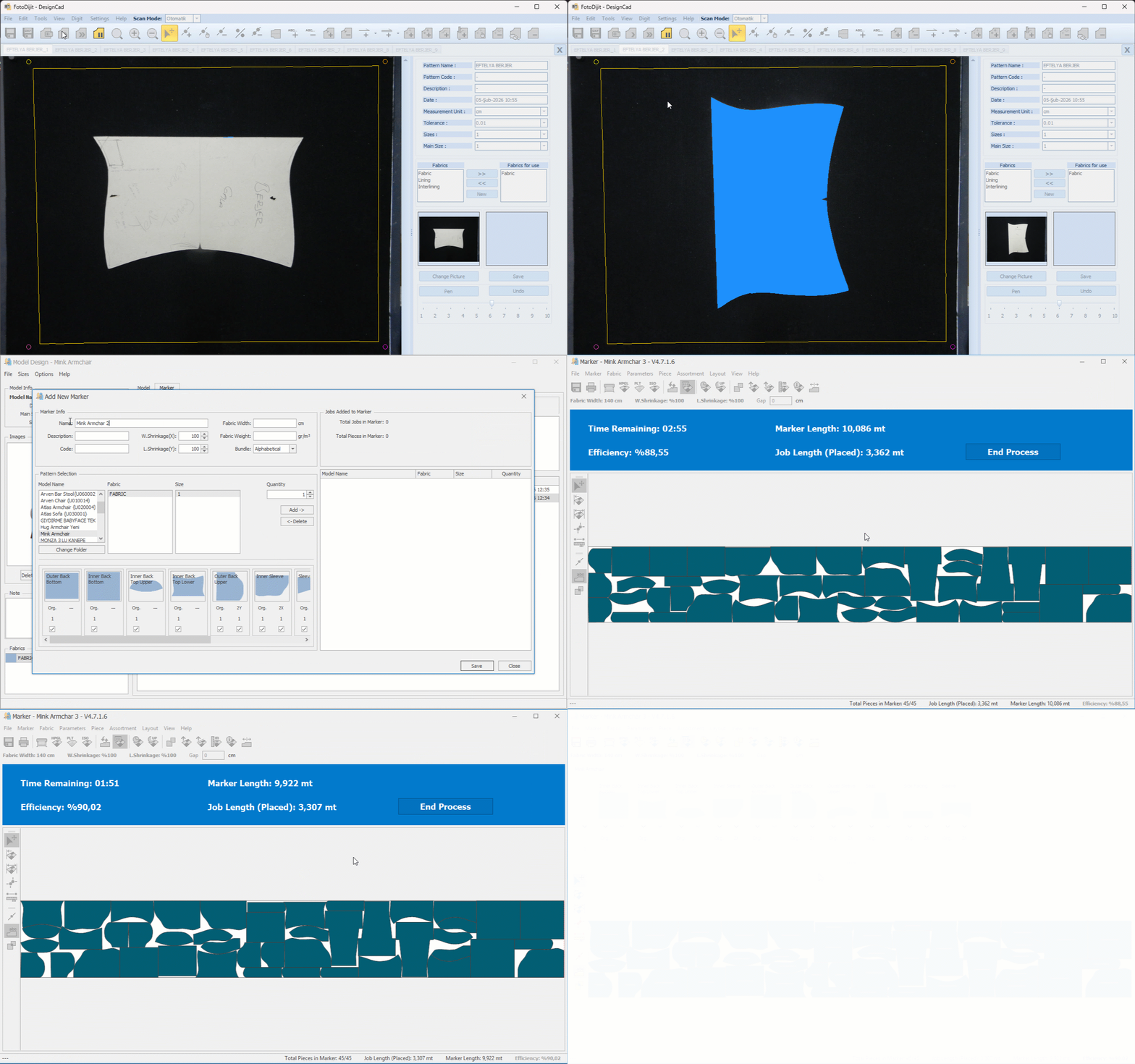
Manage design, planning, costing and cutting within a single platform to improve speed, control and material efficiency across production.
Create production-ready models in just minutes.
Import legacy DXF models into the system with ease.
Manage the entire production workflow from one platform.
Optimize material usage and reduce production waste.
Calculate true costs clearly before cutting begins.
Ensure seamless output for automated cutting machines.
In furniture manufacturing, speed, precision and cost control define competitive advantage.
DesignCad connects design and cutting processes
Within a Single Digital Production Workflow.
Find answers to the most common questions about DesignCad and how it improves your production workflows.
DesignCad enables fast and precise creation of various upholstery and fabric patterns used in furniture manufacturing. With advanced editing and marking tools, teams can quickly generate production-ready patterns and streamline the model development process.
Yes. DesignCad supports DXF files generated by many CAD systems (such as AutoCAD, CorelDraw, ProgeCad, Alphacam, and similar software). This allows you to easily migrate your existing pattern archive into DesignCad. To learn how to export your legacy patterns in DXF format, visit the help page .
Integrated measurement tables, size sets, and piece-based control mechanisms ensure a more reliable grading workflow. Inconsistencies can be identified early, significantly reducing revisions during sampling and production stages.
Advanced nesting algorithms optimize material utilization and help reduce waste rates. Consistent nesting outputs improve cutting efficiency and streamline production planning.
PhotoDigit accelerates the digitization of physical cardboard patterns, enabling teams to quickly transfer legacy patterns into the digital environment. Once digitized, revisions and pattern archiving become significantly more efficient and organized.
DesignCad connects pattern design, production preparation and automated cutting into a single digital platform. By eliminating fragmented workflows, teams gain full visibility, faster execution and reliable production outcomes across the entire manufacturing process.